Living Room Renovations

The Complete Guide to Open-Concept Living Room Renovations

Living Room Renovations

Why Open-Concept Living Rooms Remain Popular

Open-concept living room renovations continue to be one of the most requested remodeling projects among homeowners seeking larger, brighter, and more functional living spaces. Traditional floor plans often separate kitchens, dining rooms, and living areas with walls that restrict natural light and interrupt household interaction. An open-concept renovation removes these barriers to create a seamless flow between spaces.

Modern homeowners value flexibility, improved entertaining areas, and multifunctional layouts that support both everyday living and social gatherings. A thoughtfully designed open-concept living room can dramatically improve visual spaciousness while increasing overall property appeal.

Evaluate Structural Considerations Before Demolition

One of the most important steps in an open-concept living room renovation is determining whether existing walls are load-bearing. Removing structural walls without proper engineering can compromise the safety and stability of the home.

Key Structural Elements to Assess

  • Load-bearing wall locations
  • Ceiling joist direction
  • Foundation support points
  • Electrical and plumbing systems
  • HVAC duct placement

Professional structural engineers and licensed contractors help identify which walls can be safely removed and what reinforcement systems may be required. In many cases, steel or laminated support beams are installed to maintain structural integrity.

Create Better Natural Light Distribution

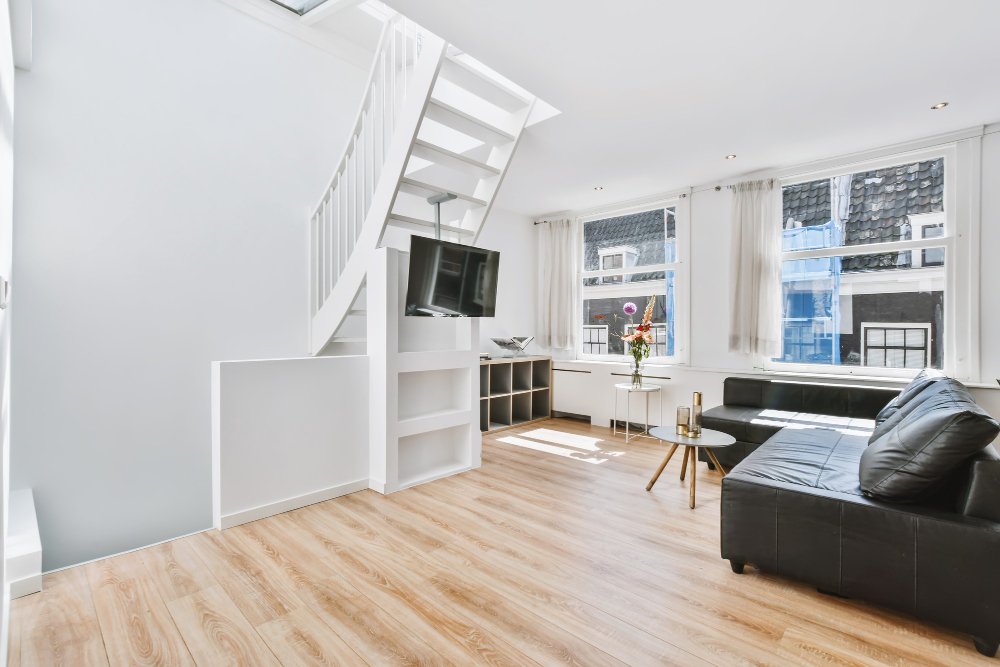
One of the greatest advantages of open-concept living room renovations is improved natural light flow. Removing walls allows daylight to travel throughout the home, creating a brighter and more inviting atmosphere.

Homes with limited window placement especially benefit from open layouts because light can reach previously enclosed areas more effectively. Many homeowners also combine open-concept renovations with larger windows or sliding glass doors to further enhance brightness.

Features That Improve Brightness

  • Large unobstructed sightlines
  • Light-colored wall finishes
  • Reflective flooring materials
  • Glass interior design elements
  • Minimalist furniture arrangements

Balanced lighting design becomes easier when living areas share visual continuity and fewer physical barriers.

Living Room Renovations

Improve Traffic Flow and Daily Functionality

Traditional compartmentalized layouts can create bottlenecks that limit movement between rooms. Open-concept living room renovations improve circulation by creating wider pathways and more flexible furniture placement opportunities.

Families often find that open layouts support better communication and visibility between kitchen, dining, and relaxation areas. Parents can supervise children more easily while cooking or entertaining guests.

Functional Benefits of Open Layouts

  • Smoother household movement
  • Improved entertaining capacity
  • More flexible furniture arrangements
  • Enhanced family interaction
  • Better visual connectivity

Careful zoning within the open layout still helps define each functional area without relying on walls.

Use Flooring Consistency for Visual Continuity

Consistent flooring is a major design feature in successful open-concept living room renovations. Using the same flooring material throughout connected spaces creates a unified and spacious appearance.

Popular Open-Concept Flooring Options

  • Wide-plank hardwood flooring
  • Luxury vinyl plank flooring
  • Large-format porcelain tile
  • Engineered hardwood

Continuous flooring reduces visual interruptions and strengthens the sense of openness throughout the home. Durable flooring materials are especially important in high-traffic open living spaces.

Design Functional Living Zones

Although open-concept layouts eliminate physical barriers, homeowners still need clearly defined activity zones. Furniture placement, lighting, rugs, and ceiling details can help organize the space effectively.

Ways to Define Open-Concept Areas

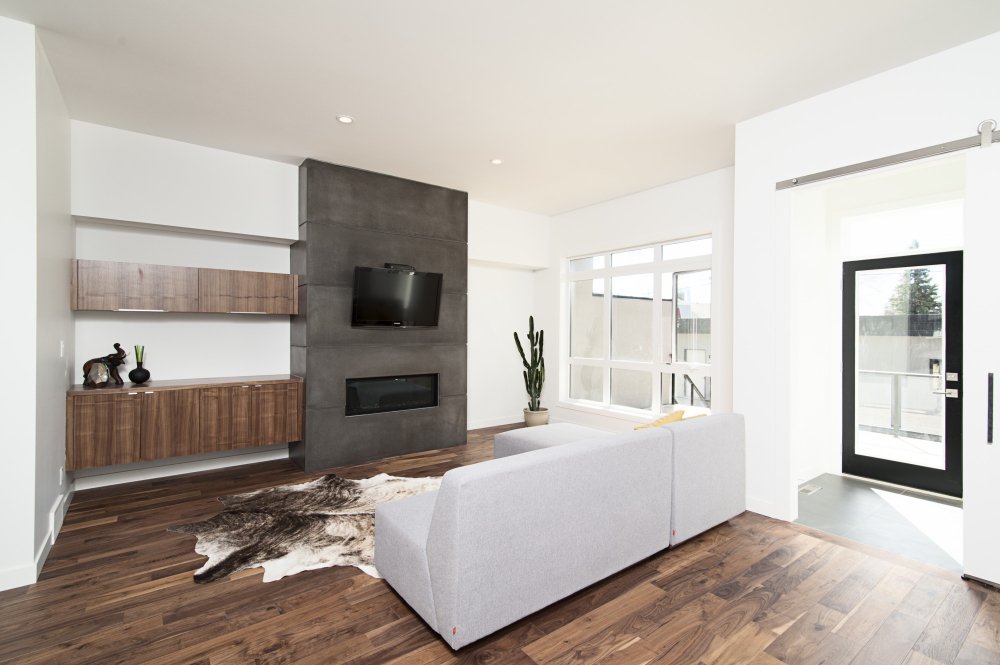
  • Area rugs beneath seating groups
  • Kitchen islands as natural dividers
  • Pendant lighting over dining zones
  • Sectional sofas for visual separation
  • Accent wall treatments

Thoughtful zoning prevents large open rooms from feeling disorganized or visually overwhelming.

Address Acoustic Challenges

One downside of open-concept living room renovations is increased sound transmission. Without walls to absorb noise, conversations, televisions, kitchen appliances, and household activity can travel more easily throughout the home.

Acoustic Improvement Strategies

  • Fabric window treatments
  • Area rugs and upholstered furniture
  • Acoustic ceiling treatments
  • Soft-texture décor materials
  • Noise-reducing insulation upgrades

Strategic acoustic planning helps maintain comfort while preserving the spacious benefits of an open floor plan.

Upgrade Lighting for Large Open Spaces

Lighting design becomes more important in open-concept renovations because larger areas require balanced illumination across multiple activity zones.

Recommended Lighting Layers

  • Recessed ceiling lighting
  • Pendant lighting over islands
  • Accent lighting for artwork
  • Floor lamps for seating areas
  • Dimmable ambient lighting

Layered lighting improves both functionality and atmosphere while helping distinguish individual spaces within the larger layout.

Storage Solutions Remain Essential

Open-concept living rooms can appear cluttered quickly without proper storage planning. Built-in cabinetry, hidden storage furniture, and multifunctional shelving systems help maintain a clean and organized appearance.

Custom storage solutions also allow homeowners to preserve minimalist aesthetics while maximizing functionality in shared living areas.

Final Thoughts on Open-Concept Living Room Renovations

An open-concept living room renovation can completely transform how a home looks and functions. Improved natural light, enhanced traffic flow, flexible layouts, and stronger household connectivity make open floor plans highly appealing for modern living.

Successful renovations require careful structural planning, balanced lighting, durable materials, and thoughtful space organization. When designed correctly, an open-concept layout creates a spacious, welcoming environment that supports both comfort and long-term property value.