Why Small Entryways Often Feel Difficult to Renovate
Small entryway renovations present unique design challenges because these areas must balance storage, organization, traffic flow, and visual appeal within limited square footage. Despite being one of the smallest spaces in many homes, the entryway creates the first impression for both homeowners and guests.
Cluttered shoes, coats, bags, and poor lighting can quickly make an entryway feel cramped and disorganized. A well-planned entryway renovation focuses on solving these functional problems while creating a welcoming and efficient transition between indoor and outdoor spaces.
Problem: Limited Storage Creates Constant Clutter
One of the biggest frustrations in small entryways is insufficient storage. Without dedicated spaces for daily essentials, shoes, jackets, keys, and bags often accumulate near the entrance.
Solution: Install Multifunctional Storage Systems
- Built-in storage benches
- Wall-mounted cabinets
- Floating shelves
- Vertical cubby systems
- Hidden shoe compartments
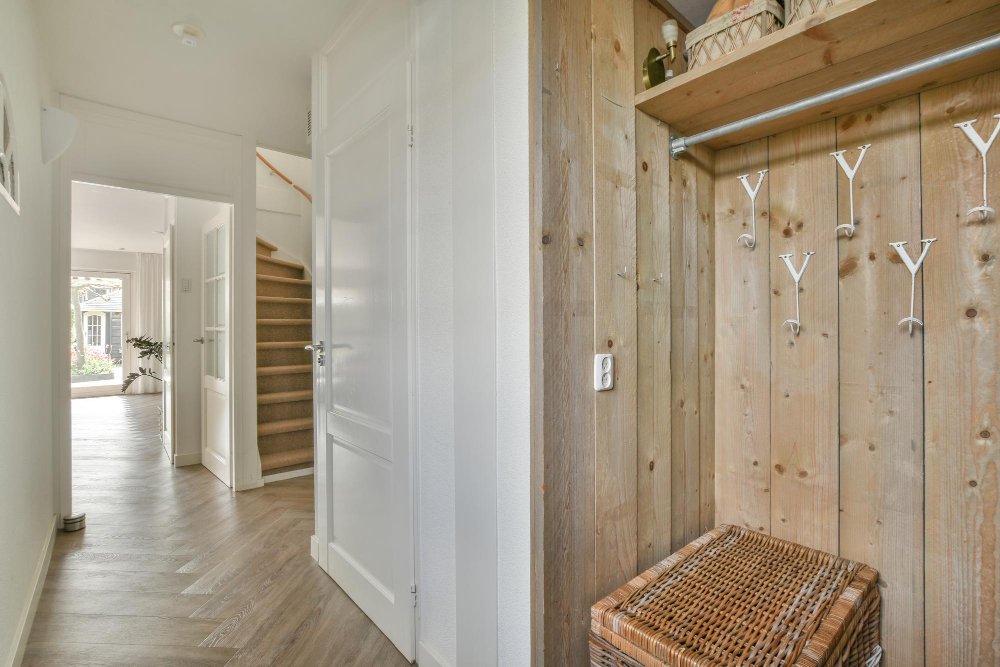
- Hooks for coats and bags
Using vertical wall space helps maximize storage without overcrowding the floor area. Multifunctional furniture pieces are especially valuable in compact entryway renovations.
Problem: Entryways Feel Dark and Cramped
Small entryways often suffer from inadequate natural light and narrow layouts that make the area feel enclosed. Dark finishes and poor lighting can intensify this problem.
Solution: Improve Lighting and Reflective Surfaces
Strategic lighting upgrades dramatically improve how spacious an entryway feels. Layered lighting helps brighten the space while improving visibility during daily routines.
Recommended Entryway Lighting Features
- LED ceiling fixtures
- Wall sconces
- Motion-sensor lighting
- Accent lighting beneath shelves
- Decorative pendant fixtures
Large mirrors and light-colored wall finishes also reflect light throughout the area, helping visually expand smaller entryways.
Problem: Shoes and Outdoor Items Create Disorganization
High foot traffic near entryways often leads to dirt, clutter, and scattered footwear. Without proper organization systems, small spaces quickly become difficult to maintain.
Solution: Create Dedicated Drop Zones
Dedicated storage zones help organize frequently used household items while reducing visual clutter.
Useful Entryway Organization Features
- Pull-out shoe drawers
- Tray systems for wet footwear
- Key and mail organizers
- Umbrella stands
- Basket storage compartments
Well-defined storage zones improve organization while making everyday routines more efficient.
Problem: Narrow Layouts Restrict Movement
Many entryways have narrow floor plans that make movement difficult, especially in busy households. Oversized furniture and poorly positioned storage units can worsen traffic flow.
Solution: Use Slim and Space-Saving Furniture
Compact furniture helps preserve open walking paths while still providing essential functionality.
Best Furniture Choices for Small Entryways
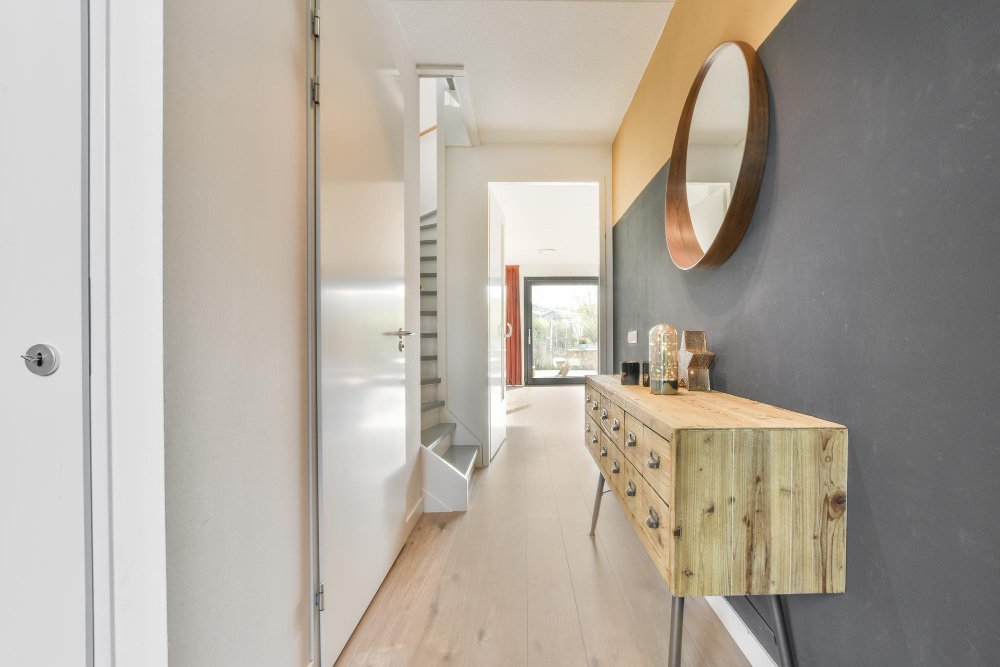
- Floating console tables
- Narrow-profile benches
- Wall-mounted coat racks
- Foldable seating options
- Minimalist storage cabinets
Choosing furniture with exposed legs or floating designs also creates a lighter and more open visual appearance.
Problem: Entryways Lack Visual Cohesion
Because entryways connect multiple areas of the home, inconsistent finishes and overcrowded décor can make the space feel visually disconnected.
Solution: Use Consistent Design Elements
A cohesive design palette helps create visual continuity while making the entryway feel larger and more intentional.
Design Features That Improve Cohesion
- Neutral color palettes
- Matching storage finishes
- Coordinated hardware
- Consistent flooring materials
- Simple decorative accents
Limiting excessive décor also prevents the area from feeling visually cluttered.
Problem: Flooring Wears Out Quickly
Entryways experience constant foot traffic, moisture exposure, and dirt accumulation. Low-quality flooring materials often show damage quickly in these demanding areas.
Solution: Install Durable Flooring Materials
Durable flooring improves both longevity and ease of maintenance during daily use.
Recommended Entryway Flooring Options
- Porcelain tile
- Luxury vinyl plank flooring
- Natural stone tile
- Engineered hardwood
Moisture-resistant flooring materials are especially important in climates with rain, snow, or seasonal debris.
Problem: Small Entryways Feel Cold and Uninviting
Functional storage alone is not enough to create a welcoming entryway. Without warmth and personality, compact entrances may feel overly utilitarian.
Solution: Add Comfortable and Decorative Elements
Carefully selected décor creates a more inviting atmosphere while maintaining practicality.
Simple Decorative Enhancements
- Indoor plants
- Textured rugs
- Framed artwork
- Decorative mirrors
- Warm wood accents
Even small decorative improvements can make entryways feel more comfortable and visually appealing.
Final Thoughts on Small Entryway Renovations
Small entryway renovations require smart problem-solving strategies that balance storage, lighting, durability, and visual organization. By addressing clutter, improving traffic flow, selecting durable materials, and incorporating multifunctional design solutions, homeowners can dramatically improve both functionality and appearance.
A thoughtfully renovated entryway creates a cleaner, more organized, and more welcoming introduction to the home while supporting better daily routines and long-term usability.