Roof Replacement

What Homeowners Should Know Before a Roof Replacement

Roof Replacement

Why Roof Replacement Is a Major Home Investment

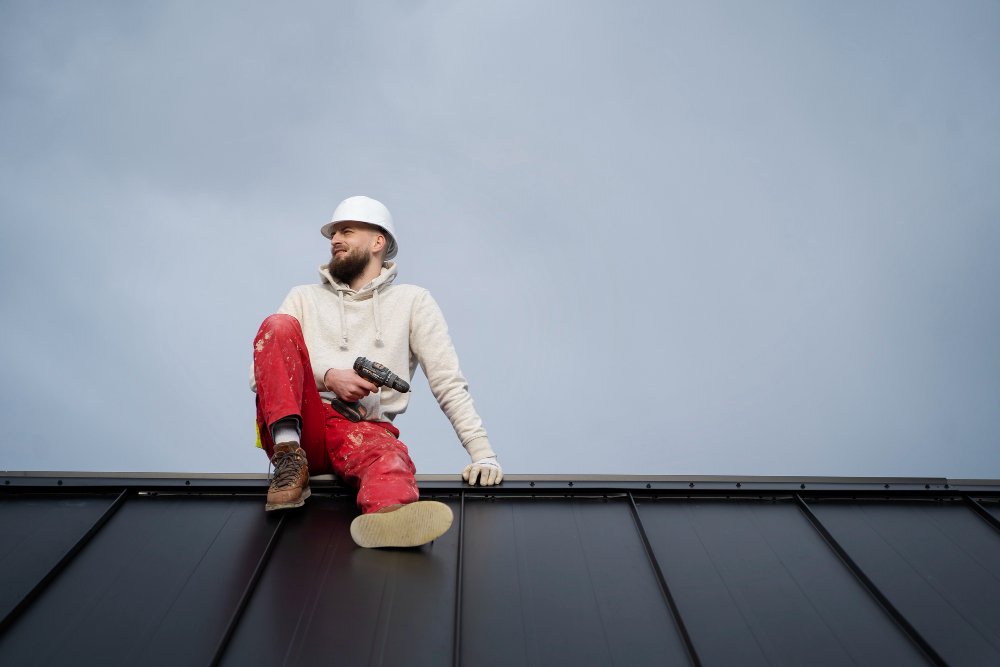
A roof replacement is one of the most important exterior renovation projects homeowners will face. The roof protects the home from water intrusion, structural damage, temperature fluctuations, and weather exposure throughout the year. Because roofing systems affect energy efficiency, durability, and property value, homeowners should fully understand the process before construction begins.

Many roofing problems develop gradually, making it difficult to determine when repairs are no longer sufficient. Understanding common roof replacement questions helps homeowners make informed decisions about materials, contractors, costs, and long-term maintenance.

How Do Homeowners Know When Roof Replacement Is Necessary?

Several warning signs may indicate that a roof replacement is becoming necessary. While some issues can be repaired temporarily, aging roofing systems eventually reach the point where full replacement becomes more cost-effective.

Common Signs of Roofing Failure

  • Missing or curling shingles
  • Frequent roof leaks
  • Water stains on ceilings
  • Sagging roof sections
  • Granule loss in gutters
  • Mold or moisture in the attic
  • Visible storm damage

Most asphalt shingle roofs last between 20 and 30 years depending on climate conditions, ventilation quality, and maintenance history.

What Roofing Materials Are Most Popular?

Homeowners today can choose from several roofing materials, each offering different levels of durability, appearance, maintenance requirements, and installation cost.

Popular Roofing Options

  • Asphalt shingles
  • Metal roofing systems
  • Clay and concrete tiles
  • Wood shake roofing
  • Synthetic roofing products
  • Slate roofing systems

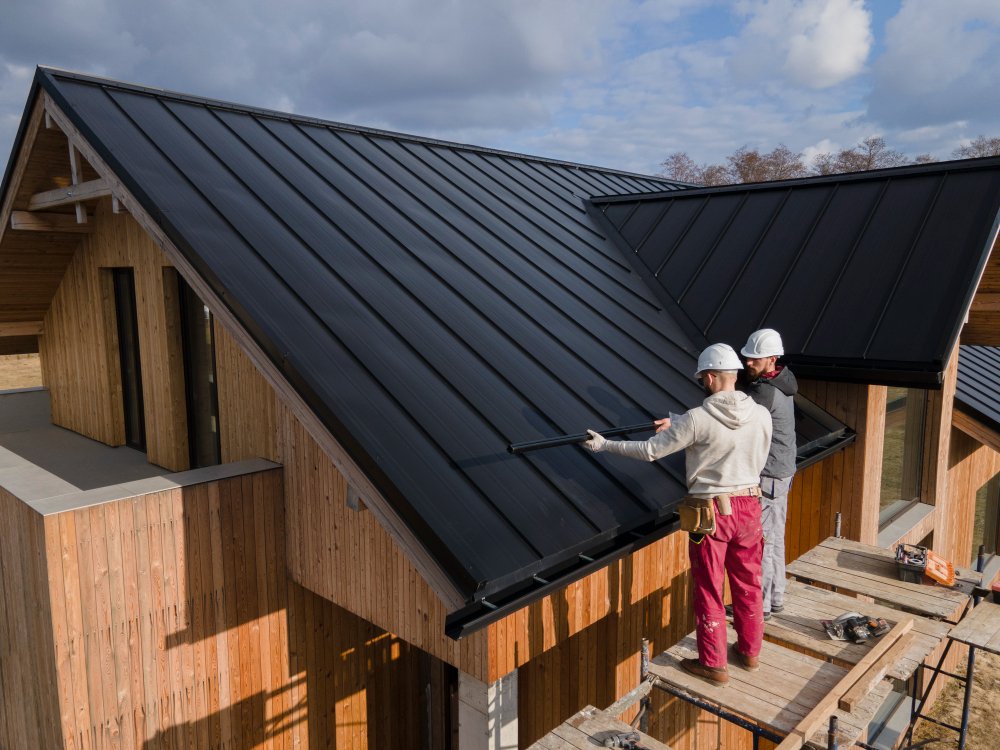
Asphalt shingles remain the most common residential roofing material due to affordability and versatility. Metal roofing has also grown in popularity because of its long lifespan and energy efficiency benefits.

Roof Replacement

Modernize Heating and Cooling Systems

Heating and cooling equipment accounts for a large percentage of residential energy consumption. Outdated HVAC systems often operate inefficiently, resulting in higher utility costs and inconsistent indoor temperatures.

Popular HVAC Efficiency Upgrades

  • High-efficiency furnaces
  • Variable-speed air conditioners
  • Heat pump systems
  • Smart thermostats
  • Zoned climate control systems

Many modern HVAC systems use advanced technology to improve temperature regulation while consuming less energy. Smart thermostats further optimize performance by adjusting heating and cooling schedules automatically.

Replace Traditional Lighting with LED Technology

Lighting upgrades are among the simplest and most cost-effective energy-efficient renovations available to homeowners. LED lighting consumes significantly less electricity than traditional incandescent or halogen bulbs while providing longer operational lifespan.

Benefits of LED Lighting

  • Lower energy consumption
  • Reduced heat output
  • Longer bulb lifespan
  • Minimal maintenance requirements
  • Improved lighting control options

LED systems are available in a wide range of color temperatures and fixture styles, making them suitable for kitchens, bathrooms, living areas, and outdoor spaces.

Upgrade to Energy-Efficient Appliances

Older appliances often consume far more water and electricity than modern high-efficiency models. Kitchen and laundry room renovations provide ideal opportunities for appliance replacement.

How Much Does Roof Replacement Typically Cost?

Roof replacement costs vary depending on roof size, material selection, labor rates, roof complexity, and regional climate conditions. Additional expenses may arise if underlying structural damage or moisture problems are discovered during demolition.

Factors That Affect Roofing Costs

  • Roof pitch and accessibility
  • Material type and quality
  • Underlayment requirements
  • Flashing replacement
  • Ventilation upgrades
  • Local permit requirements

Homeowners should always request detailed written estimates that clearly outline labor, materials, disposal fees, warranties, and project timelines.

Why Is Roof Ventilation Important?

Roof ventilation plays a critical role in extending the lifespan of roofing materials while improving overall home energy efficiency. Poor attic ventilation can trap heat and moisture, leading to premature roof deterioration and higher utility costs.

Benefits of Proper Roof Ventilation

  • Reduced attic heat buildup
  • Lower moisture accumulation
  • Improved shingle lifespan
  • Better indoor comfort
  • Enhanced HVAC efficiency

Modern roof replacement projects often include upgraded ridge vents, soffit vents, and attic airflow improvements to support better long-term roof performance.

Should Homeowners Replace Gutters During Roof Replacement?

In many cases, gutter replacement is recommended during a roof replacement project. Damaged or aging gutters can compromise drainage performance and contribute to water damage around the roofline and foundation.

Replacing gutters at the same time also allows contractors to coordinate flashing, drainage slopes, and roof edge protection more effectively.

Signs Gutters May Need Replacement

  • Frequent clogs or overflow
  • Rust or corrosion
  • Sagging gutter sections
  • Water pooling near the foundation
  • Loose fasteners or separation

Modern seamless gutter systems typically provide better durability and reduced maintenance compared to older sectional designs.

How Long Does a Roof Replacement Take?

The timeline for roof replacement depends on weather conditions, roof size, material complexity, and crew availability. Most residential asphalt shingle roof replacements are completed within several days, while more complex materials may require additional time.

Factors That Can Extend Project Timelines

  • Unexpected structural repairs
  • Storm delays
  • Complex roof designs
  • Material delivery issues
  • Permit inspection scheduling

Homeowners should discuss project expectations and weather contingency plans with contractors before construction begins.

What Questions Should Homeowners Ask Roofing Contractors?

Choosing the right roofing contractor is critical for ensuring quality workmanship and long-term roof performance. Homeowners should thoroughly evaluate contractors before signing agreements.

Important Contractor Questions

  • Are you licensed and insured?
  • What warranties are included?
  • Who supervises the project?
  • How is debris cleanup handled?
  • Can you provide local references?
  • What ventilation upgrades are recommended?

Experienced contractors should provide detailed contracts, proof of insurance, and clear communication throughout the project.

How Can Homeowners Prepare for Roof Replacement?

Roof replacement creates noise, vibrations, and temporary disruptions around the property. Proper preparation helps minimize inconvenience during construction.

Preparation Tips Before Roofing Begins

  • Move vehicles away from the driveway
  • Protect attic belongings from dust
  • Secure fragile wall decorations
  • Trim landscaping near the home
  • Inform neighbors about construction activity

Clear communication with the roofing crew also helps homeowners understand daily schedules and safety procedures.

Final Thoughts on Roof Replacement

A roof replacement is a major investment that directly affects structural protection, energy efficiency, and long-term property value. Understanding roofing materials, ventilation requirements, contractor qualifications, and project timelines allows homeowners to make more confident renovation decisions.

By choosing durable materials, qualified contractors, and proper installation methods, homeowners can extend roof lifespan while improving comfort and exterior performance for many years to come.