Why Mudroom Renovations Improve Everyday Organization
A mudroom renovation can significantly improve household organization, cleanliness, and daily efficiency for busy families. Mudrooms serve as transition spaces between the outdoors and the main living areas, helping contain shoes, coats, backpacks, sports equipment, and seasonal gear before clutter spreads throughout the home.
Many older homes either lack a dedicated mudroom or have underutilized entry areas with insufficient storage and poor layout design. A well-planned mudroom renovation creates an organized, durable, and highly functional space that supports busy routines while protecting interior flooring and living areas from dirt and moisture.
Step 1: Evaluate How the Household Uses the Space
Every successful mudroom renovation begins with understanding how the family uses the area daily. Storage requirements differ significantly depending on household size, children’s activities, pet ownership, and seasonal climate conditions.
Questions to Consider Before Renovating
- How many family members use the mudroom daily?
- Is storage needed for sports equipment or school items?
- Will pets use the space frequently?
- How much seating is necessary?
- Is laundry integration required?
Answering these questions helps homeowners design a layout that matches real household needs instead of relying solely on appearance.
Step 2: Create Dedicated Storage Zones
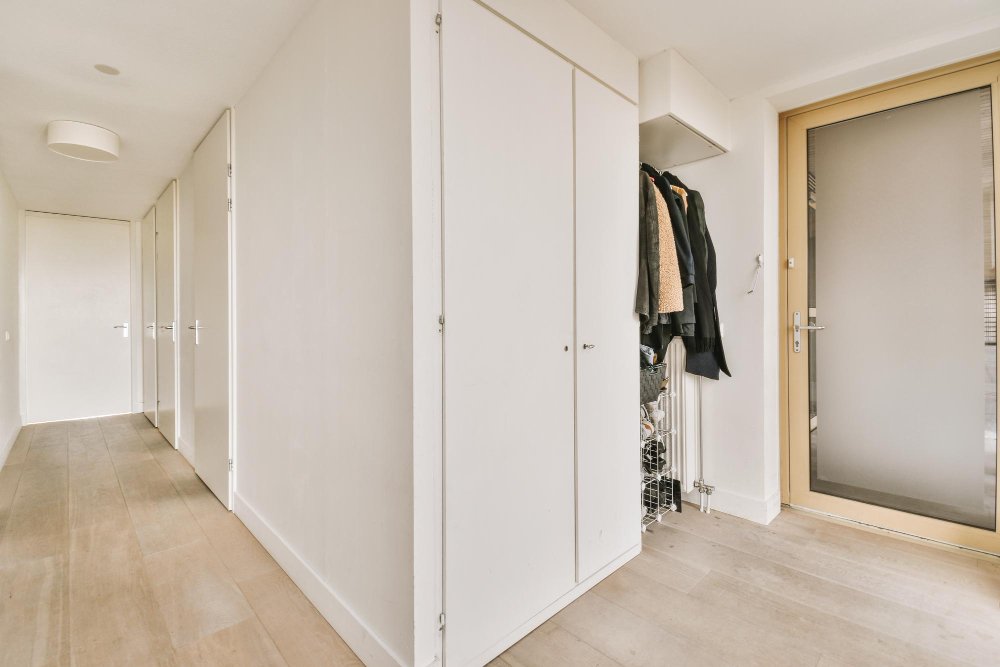
One of the primary goals of a mudroom renovation is improving organization through clearly defined storage areas. Without proper zones, coats, shoes, bags, and outdoor gear quickly create clutter.
Essential Mudroom Storage Features
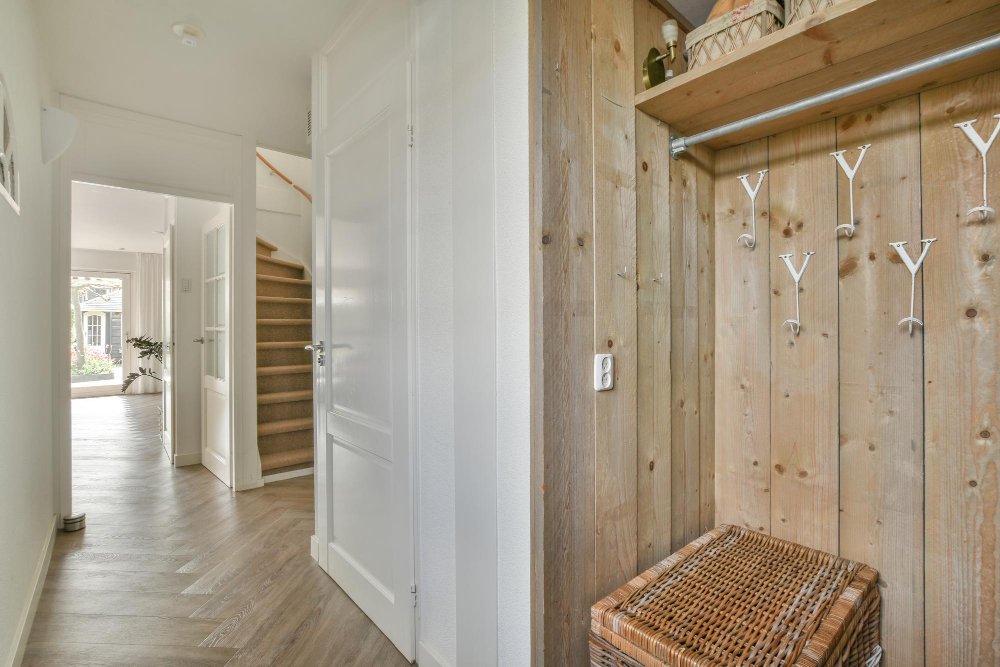
- Individual cubbies for each family member
- Wall-mounted coat hooks
- Overhead storage cabinets
- Shoe storage compartments
- Bench seating with hidden storage
- Pull-out baskets and bins
Dedicated storage zones help maintain organization while making daily routines more efficient for every member of the household.
Step 3: Install Durable Flooring Materials
Mudrooms experience heavy foot traffic, moisture exposure, dirt accumulation, and constant wear. Flooring materials must be durable, water-resistant, and easy to maintain.
Best Flooring Options for Mudrooms
- Porcelain tile flooring
- Luxury vinyl plank flooring
- Natural stone tile
- Water-resistant engineered flooring
Slip-resistant surfaces are especially important in homes with children or wet seasonal weather conditions. Durable flooring protects the space while simplifying cleanup.
Step 4: Improve Lighting and Visibility
Proper lighting is essential for functionality and safety in a mudroom renovation. Many entry spaces suffer from poor natural light, making the area feel cramped and uninviting.
Recommended Mudroom Lighting Features
- LED ceiling fixtures
- Task lighting near storage areas
- Motion-sensor lighting systems
- Accent lighting beneath cabinets
- Natural light enhancements
Bright, layered lighting improves visibility while creating a cleaner and more welcoming environment.
Step 5: Add Functional Seating Areas
Seating is one of the most valuable additions during a mudroom renovation. Benches provide comfortable spaces for removing shoes, organizing bags, or preparing children for outdoor activities.
Popular Mudroom Seating Options
- Built-in storage benches
- Floating bench systems
- Padded seating areas
- Bench seating with drawer storage
Combining seating with hidden storage maximizes efficiency while preserving floor space.
Step 6: Include Moisture and Dirt Management Features
Mudrooms are specifically designed to contain outdoor debris before it reaches the rest of the home. Effective moisture management helps protect surrounding finishes and flooring materials.
Useful Mudroom Protection Features
- Waterproof floor mats
- Drainage trays for shoes
- Easy-to-clean wall surfaces
- Moisture-resistant paint finishes
- Ventilation improvements
These upgrades help reduce long-term maintenance while preserving interior cleanliness.
Step 7: Incorporate Laundry Room Integration
Many modern mudroom renovations combine laundry functionality with storage and organization features. This integration improves workflow efficiency, especially for active families.
Benefits of Combined Mudroom and Laundry Spaces
- Convenient cleaning of dirty clothing
- Improved organization for sports gear
- Better household workflow
- Centralized utility functions
Careful layout planning ensures both functions operate efficiently without overcrowding the space.
Step 8: Add Pet-Friendly Features
Households with pets often benefit from pet-specific mudroom upgrades that simplify cleaning and organization.
Pet-Friendly Mudroom Ideas
- Built-in pet washing stations
- Leash and accessory storage
- Pet feeding areas
- Durable scratch-resistant finishes
These features help maintain cleanliness while improving convenience for pet owners.
Step 9: Maintain Consistent Design Style
Although functionality is critical, mudrooms should still complement the overall design style of the home. Coordinated finishes create a more polished and cohesive appearance.
Popular Mudroom Design Elements
- Neutral cabinetry finishes
- Natural wood accents
- Decorative tile patterns
- Matte black or brushed metal hardware
- Simple modern trim profiles
Timeless design choices help preserve long-term visual appeal while supporting practical daily use.
Final Thoughts on Mudroom Renovation
A thoughtfully planned mudroom renovation can dramatically improve household organization, cleanliness, and efficiency for busy families. By incorporating durable materials, dedicated storage zones, comfortable seating, and moisture-resistant finishes, homeowners can create highly functional transition spaces that simplify everyday routines.
Whether renovating a small entry area or designing a large family mudroom, careful planning and practical storage solutions help maximize long-term comfort, usability, and home value.