
Why Paint Color Selection Matters During Renovation
Choosing paint colors during a renovation can feel surprisingly overwhelming for homeowners. Paint affects lighting, mood, room size perception, furniture coordination, and the overall atmosphere of the home. A single color decision can completely change how a renovated space feels once construction is finished.
Many homeowners struggle because paint samples often look different under changing light conditions or when paired with flooring, cabinetry, and countertops. The good news is that selecting the right paint colors becomes much easier when approached strategically. A thoughtful color plan helps create visual consistency while supporting the design goals of the renovation.
Start with the Function of the Room
Before looking at paint swatches, homeowners should first consider how the room will be used daily. Different spaces benefit from different color moods and visual effects.
Common Color Goals by Room Type
- Bedrooms often benefit from calming tones
- Kitchens usually work well with clean, bright colors
- Home offices may require focused, balanced tones
- Living rooms often need warm and welcoming palettes
- Bathrooms typically feel brighter with lighter shades
Understanding the emotional purpose of the space helps narrow color choices before the renovation progresses too far.
Consider Natural and Artificial Lighting
Lighting dramatically changes how paint colors appear throughout the day. A color that looks warm and inviting in a showroom may appear dull or overly cool inside the home depending on sunlight exposure and interior lighting.
How Lighting Affects Paint Colors
- North-facing rooms often appear cooler
- South-facing rooms receive warmer sunlight
- LED lighting may intensify cool undertones
- Incandescent lighting creates warmer color effects
One of the best renovation tips is to test paint samples directly on the wall and observe them during different times of day before making a final decision.
Coordinate Paint with Permanent Materials
During a renovation, paint should support larger design elements instead of competing with them. Flooring, countertops, tile, cabinetry, and stone surfaces usually remain in the home much longer than wall colors.
Permanent Features to Match Carefully
- Wood flooring undertones
- Cabinet finishes
- Countertop materials
- Backsplash tile colors
- Fireplace stone textures
Choosing paint after these major materials are finalized often creates a more cohesive renovation result.
Use Neutral Colors Strategically
Neutral paint colors remain popular in home renovations because they provide flexibility, timelessness, and broad visual appeal. However, not all neutrals behave the same way.
Popular Neutral Paint Categories
- Warm whites
- Soft greige tones
- Light taupe shades
- Muted earth colors
- Warm gray palettes
Many homeowners mistakenly assume all gray or white paints are interchangeable. In reality, undertones can dramatically affect the final appearance once applied to walls.
Don’t Overuse Bold Accent Colors
Bold paint colors can create beautiful focal points, but excessive use may overwhelm renovated spaces or reduce long-term flexibility. Homeowners often enjoy stronger colors in smaller doses rather than throughout the entire home.
Where Accent Colors Work Best
- Powder rooms
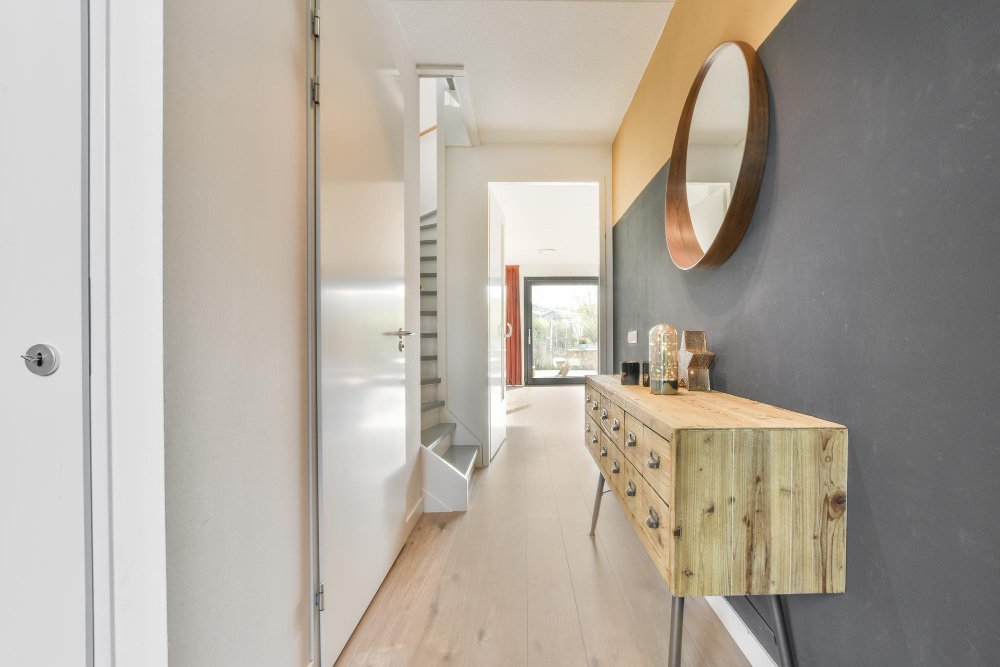
- Feature walls
- Built-in shelving
- Interior doors
- Dining room accents
Using accent colors strategically allows homeowners to add personality without sacrificing versatility.
Create Flow Between Rooms
One common renovation mistake is choosing disconnected paint colors for adjacent spaces. Homes feel more cohesive when colors transition smoothly from room to room.
Open-concept renovations especially benefit from coordinated palettes that maintain visual continuity throughout the home.
Ways to Improve Color Flow
- Use variations of the same neutral family
- Repeat accent tones throughout the home
- Limit overly contrasting transitions
- Maintain consistent trim colors
A balanced palette helps renovated spaces feel larger, calmer, and more professionally designed.
Think About Long-Term Design Flexibility
Paint colors that follow short-term design trends too aggressively may feel outdated quickly. Renovations often represent major investments, so timeless paint choices usually provide better long-term satisfaction.
Timeless Paint Strategies
- Choose balanced neutral foundations
- Use trendy colors in décor instead of walls
- Prioritize natural and muted tones
- Coordinate with architectural style
This approach allows homeowners to refresh furniture and accessories later without needing complete repainting projects.
Use Paint Finishes Appropriately
Paint sheen affects durability, maintenance, and visual texture. Different finishes perform better depending on room function and wall conditions.
Common Paint Finish Recommendations
- Eggshell for living spaces
- Satin for kitchens and bathrooms
- Flat finishes for ceilings
- Semi-gloss for trim and doors
Higher-sheen finishes are generally easier to clean but may reveal wall imperfections more easily.
Test Samples Before Finalizing Colors
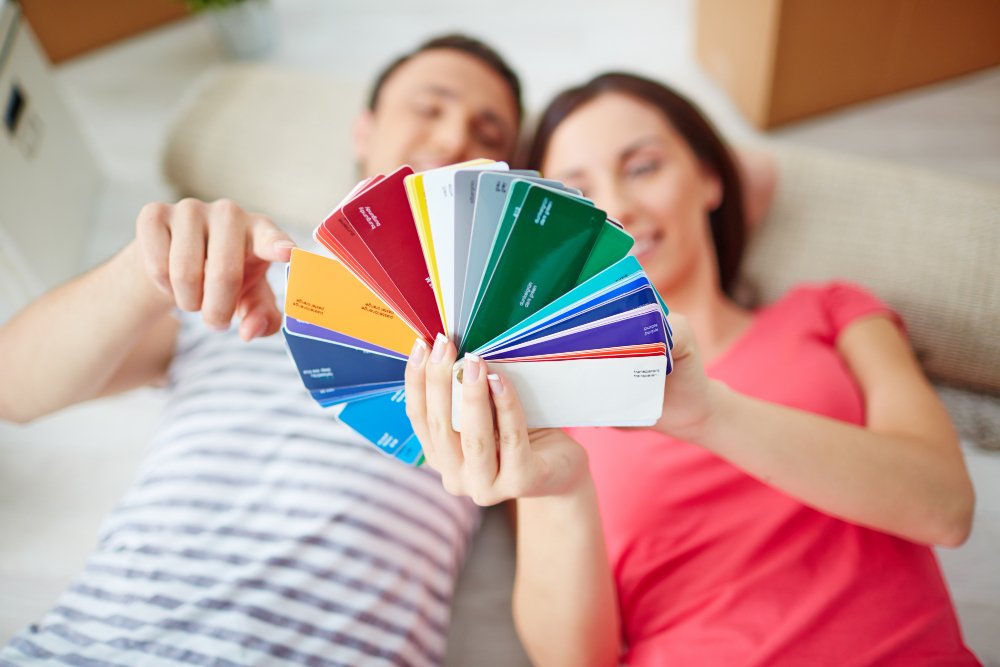
One of the most important renovation tips is avoiding final paint decisions based solely on small sample cards. Larger painted samples provide a more accurate understanding of how colors behave inside the home.
Testing samples next to flooring, cabinetry, and countertops helps homeowners avoid expensive repainting mistakes later.
Final Thoughts on Choosing Renovation Paint Colors
Selecting paint colors during a renovation requires balancing lighting, room function, permanent finishes, and long-term design flexibility. By testing samples carefully, coordinating with materials, and using cohesive color palettes, homeowners can create spaces that feel comfortable, timeless, and visually connected.
Thoughtful paint selection enhances every aspect of a renovation while helping homeowners create interiors that remain appealing and functional for many years.