Quick TipThink beyond the purchase price. A siding material that lasts 40–50 years with minimal maintenance often delivers greater long-term value than a cheaper option that requires frequent repairs or replacement.
Step 1: Understand What Makes Siding Eco-Friendly
Not every siding product marketed as “green” has the same environmental impact. Sustainability depends on several factors, including how the material is manufactured, how long it lasts, how much maintenance it requires, and whether it can be recycled at the end of its life. Before comparing products, identify which sustainability factors matter most for your project.Evaluation Checklist
- ✓ Long expected lifespan
- ✓ Low maintenance requirements
- ✓ Energy-efficient performance
- ✓ Recyclable or renewable materials
- ✓ Weather resistance
- ✓ Manufacturer warranty
⚠ WarningDon’t assume every product labeled “eco-friendly” performs equally well. Review independent performance data, maintenance requirements, and expected service life before making your decision.
Step 2: Compare the Most Popular Eco Friendly Siding Options
Once you understand what makes siding sustainable, you can begin comparing today’s most popular materials. Each option offers a different balance of durability, maintenance, appearance, and environmental benefits.- Fiber Cement – Extremely durable, resistant to fire and pests, and capable of lasting several decades with proper installation.
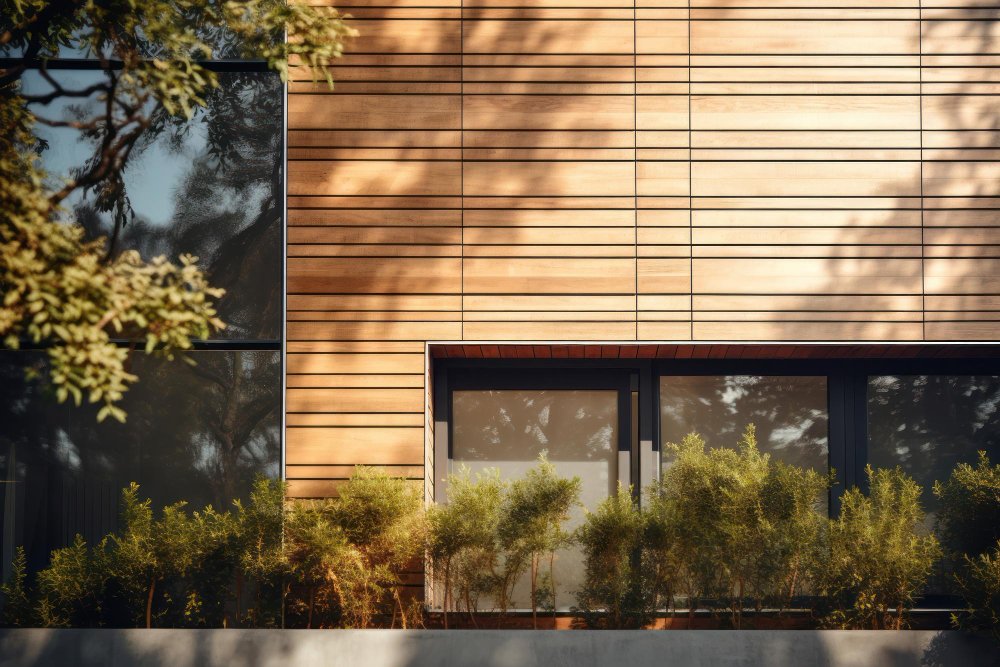
- Engineered Wood – Manufactured using wood fibers and advanced resins, providing the appearance of natural wood with improved durability.
- Insulated Vinyl Siding – Offers better thermal performance than standard vinyl while requiring very little maintenance.
- Metal Siding – Often manufactured using recycled materials and fully recyclable at the end of its service life.
- Natural Wood – A renewable material when responsibly sourced, although it generally requires more maintenance than manufactured alternatives.
TipIf minimizing maintenance is your top priority, focus on materials that resist moisture, insects, and UV exposure while requiring little more than periodic cleaning.
Step 3: Match the Material to Your Home and Climate
The best siding isn’t simply the one with the highest durability rating—it’s the one that performs well in your specific environment. Consider your local weather conditions, architectural style, and long-term maintenance expectations before making a final selection.Final Planning Checklist
- ✓ Evaluate your local climate.
- ✓ Compare long-term maintenance costs.
- ✓ Review manufacturer warranties.
- ✓ Coordinate siding with roofing, windows, and trim.
- ✓ Hire experienced installation professionals.
- ✓ Plan for proper moisture management.
⚠ WarningNever overlook proper weather barriers, flashing, or ventilation during installation. Moisture trapped behind siding can cause structural damage regardless of how durable the exterior material is.
Choosing among today’s eco friendly siding options doesn’t have to be overwhelming. By understanding what makes a siding material sustainable, comparing the leading products, and selecting one that matches your home’s climate and maintenance needs, you can make a confident investment that benefits both your property and the environment.
The most sustainable exterior is one that combines durability, energy efficiency, and long service life. Whether you prefer the resilience of fiber cement, the warmth of engineered wood, the efficiency of insulated vinyl, or the recyclability of metal siding, careful planning will help you create an exterior that looks beautiful, performs reliably, and continues adding value for decades to come.