Why Energy-Efficient Renovations Matter
Energy-efficient home renovations have become a top priority for homeowners seeking lower utility bills, improved indoor comfort, and increased property value. Rising energy costs and growing environmental awareness have encouraged many households to modernize outdated systems and improve overall home performance.
Modern renovation strategies focus on reducing energy loss, improving insulation, upgrading mechanical systems, and integrating high-efficiency technologies. These improvements not only decrease monthly operating costs but also create healthier and more comfortable living environments throughout the year.
Upgrade Insulation for Better Thermal Performance
Insulation is one of the most effective energy-efficient upgrades homeowners can make during a renovation project. Poor insulation allows heat transfer through walls, ceilings, and floors, forcing heating and cooling systems to work harder.
Key Areas That Benefit from Insulation Upgrades
- Attic spaces
- Exterior walls
- Basement rim joists
- Crawl spaces
- Garage ceilings
Modern insulation materials such as spray foam, rigid foam board, and high-performance fiberglass improve thermal resistance while helping reduce air leakage. Proper insulation also contributes to more consistent indoor temperatures and improved sound control.
Install Energy-Efficient Windows and Doors
Older windows and doors are common sources of heat loss and air infiltration. Replacing outdated units with energy-efficient alternatives can significantly improve indoor climate control.
Features of High-Performance Windows
- Double or triple-pane glass
- Low-emissivity coatings
- Argon or krypton gas fills
- Insulated window frames
- Advanced weather sealing
Energy-efficient windows reduce drafts, improve comfort near exterior walls, and minimize strain on HVAC systems. Modern exterior doors with insulated cores and upgraded weather stripping provide similar benefits.

Modernize Heating and Cooling Systems
Heating and cooling equipment accounts for a large percentage of residential energy consumption. Outdated HVAC systems often operate inefficiently, resulting in higher utility costs and inconsistent indoor temperatures.
Popular HVAC Efficiency Upgrades
- High-efficiency furnaces
- Variable-speed air conditioners
- Heat pump systems
- Smart thermostats
- Zoned climate control systems
Many modern HVAC systems use advanced technology to improve temperature regulation while consuming less energy. Smart thermostats further optimize performance by adjusting heating and cooling schedules automatically.
Replace Traditional Lighting with LED Technology
Lighting upgrades are among the simplest and most cost-effective energy-efficient renovations available to homeowners. LED lighting consumes significantly less electricity than traditional incandescent or halogen bulbs while providing longer operational lifespan.
Benefits of LED Lighting
- Lower energy consumption
- Reduced heat output
- Longer bulb lifespan
- Minimal maintenance requirements
- Improved lighting control options
LED systems are available in a wide range of color temperatures and fixture styles, making them suitable for kitchens, bathrooms, living areas, and outdoor spaces.
Upgrade to Energy-Efficient Appliances
Older appliances often consume far more water and electricity than modern high-efficiency models. Kitchen and laundry room renovations provide ideal opportunities for appliance replacement.
Appliances That Commonly Improve Efficiency
- Refrigerators
- Dishwashers
- Washers and dryers
- Water heaters
- Cooking appliances
ENERGY STAR certified appliances are designed to reduce energy usage while maintaining strong performance and functionality. Over time, these upgrades can generate substantial utility savings.
Improve Air Sealing Throughout the Home
Air leakage is one of the most overlooked causes of energy waste in residential properties. Small gaps around windows, doors, ducts, and utility penetrations allow conditioned air to escape while permitting outdoor air infiltration.
Areas Commonly Requiring Air Sealing
- Attic penetrations
- Window and door frames
- Electrical outlets on exterior walls
- Duct connections
- Basement and crawl space gaps
Professional air sealing improves HVAC efficiency, indoor comfort, and humidity control while reducing drafts throughout the home.
Install Water-Efficient Plumbing Fixtures
Water conservation also plays an important role in energy-efficient home renovations. Reducing water usage lowers utility costs while decreasing strain on water heating systems.
Water-Saving Fixture Upgrades
- Low-flow toilets
- Water-efficient showerheads
- Modern sink faucets
- Tankless water heaters
- Smart irrigation systems
Many modern plumbing fixtures maintain strong performance while using significantly less water than older models.
Consider Renewable Energy Integration
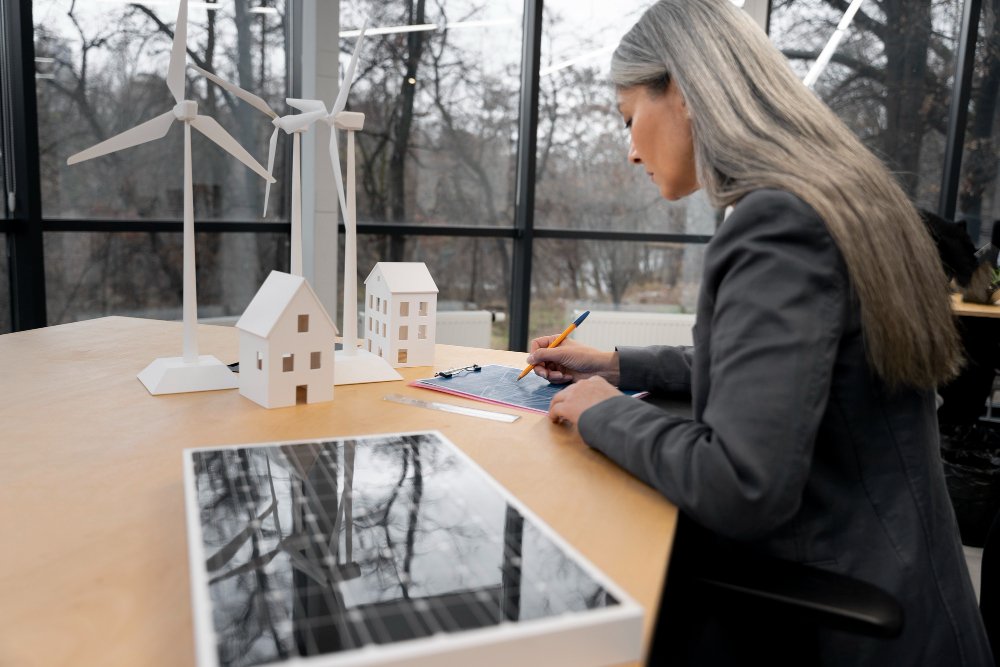
Some homeowners choose to incorporate renewable energy systems into larger renovation projects. Solar energy installations have become increasingly popular as technology costs continue declining.
Renewable Energy Upgrades
- Solar photovoltaic panels
- Battery storage systems
- Solar water heating systems
- Electric vehicle charging stations
While renewable energy systems require larger upfront investments, they can provide substantial long-term savings and energy independence.
Use Sustainable and Durable Building Materials
Energy-efficient renovations also benefit from durable building materials that improve longevity and reduce maintenance requirements. Sustainable construction products often provide better environmental performance while supporting healthier indoor air quality.
Popular Sustainable Renovation Materials
- Low-VOC paint finishes
- Recycled-content flooring
- Engineered wood products
- Energy-efficient insulation systems
- Responsibly sourced cabinetry
Durable materials help homeowners reduce future replacement costs while supporting more environmentally conscious renovation practices.
Final Thoughts on Energy-Efficient Renovations
Energy-efficient home renovations provide homeowners with lower operating costs, improved comfort, and stronger long-term property value. Upgrading insulation, windows, HVAC systems, lighting, and appliances can dramatically improve overall home performance.
By investing in modern energy-efficient technologies and durable building materials, homeowners create healthier, more sustainable living environments while reducing long-term energy expenses. Careful planning and professional installation remain essential for maximizing renovation performance and efficiency benefits.