
Why Basement Finishing Adds Valuable Living Space
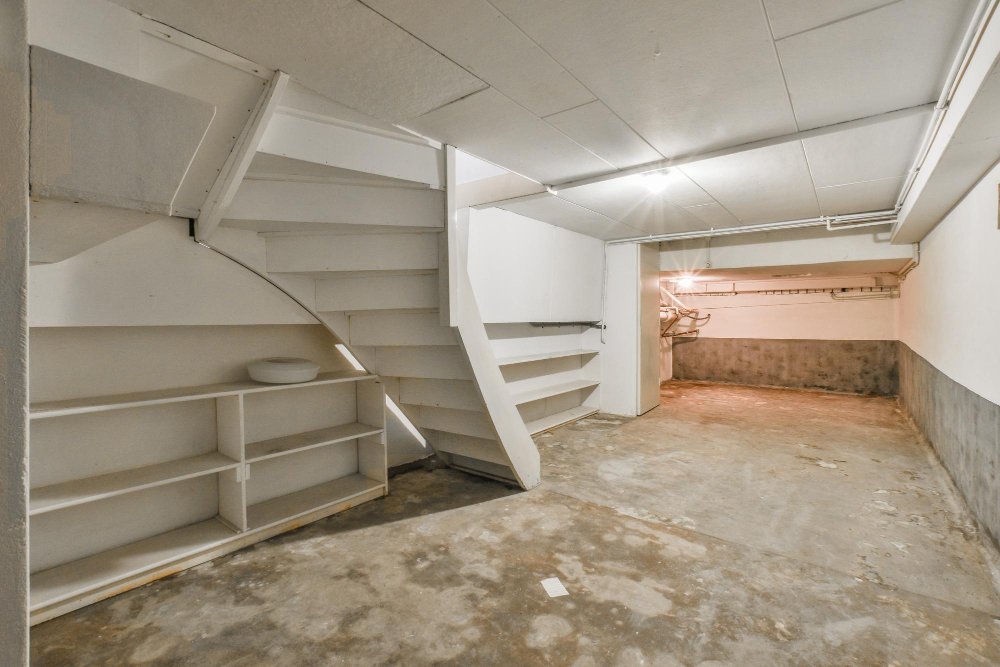
A basement finishing project is one of the most effective ways homeowners can expand usable square footage without building an addition. Unfinished basements often become underutilized storage areas, yet they hold enormous potential for creating entertainment rooms, guest suites, home offices, fitness spaces, or rental accommodations.
Modern basement remodeling focuses on moisture control, insulation performance, energy efficiency, and functional layout planning. A properly finished basement not only improves everyday living but can also increase overall property value and enhance long-term resale appeal.
Evaluate the Basement Before Renovation Begins
Before starting any basement finishing project, homeowners should thoroughly inspect the space for structural or moisture-related issues. Basements are naturally vulnerable to humidity, water infiltration, and temperature fluctuations, making pre-construction assessment essential.
Important Basement Inspection Areas
- Foundation cracks
- Water stains or dampness
- Mold or mildew growth
- Ceiling height limitations
- Existing plumbing and electrical systems
- Insulation condition
- Ventilation and airflow
Addressing these issues early prevents costly repairs after construction is complete. Many professional contractors recommend waterproofing upgrades before framing and drywall installation begins.
Control Moisture and Waterproof the Space
Moisture management is the foundation of every successful basement finishing project. Even minor water intrusion can damage drywall, flooring, insulation, and cabinetry over time.
Common Waterproofing Solutions
- Interior drainage systems
- Sump pump installation
- Foundation crack sealing
- Vapor barriers
- Dehumidification systems
- Exterior grading improvements
Maintaining proper humidity levels helps protect building materials while improving indoor air quality. Moisture-resistant construction products are also highly recommended for below-grade environments.
Plan the Basement Layout Carefully
One of the biggest advantages of basement finishing is layout flexibility. However, homeowners should design the space around existing mechanical systems, support columns, and natural traffic flow.
Popular Finished Basement Ideas
- Family entertainment room
- Home theater
- Guest bedroom suite
- Children’s playroom
- Home gym
- Home office
- Bar and lounge area
- Rental apartment conversion
Dividing the basement into functional zones helps maximize usability while creating a more organized and comfortable environment.
Choose Basement-Friendly Flooring Materials
Flooring selection is especially important in basement finishing projects because below-grade spaces can experience higher humidity levels than upper floors. Moisture-resistant flooring materials provide better durability and long-term performance.
Best Basement Flooring Options
- Luxury vinyl plank flooring
- Porcelain tile
- Engineered hardwood
- Sealed concrete flooring
- Water-resistant laminate flooring
Carpet can still be used in certain basement areas, but homeowners should choose moisture-resistant carpet padding and low-pile materials to minimize potential problems.
Improve Basement Insulation and Energy Efficiency
Basements often feel colder than the rest of the home due to concrete foundation walls and limited natural sunlight. Proper insulation significantly improves comfort and reduces energy consumption.
Recommended Basement Insulation Areas
- Foundation walls
- Rim joists
- Ceiling cavities
- Mechanical room separation walls
Rigid foam insulation and spray foam products are commonly used in basement finishing because they resist moisture better than traditional fiberglass insulation. Energy-efficient insulation also helps regulate temperature year-round.
Install Proper Lighting Systems
Lighting design can dramatically affect how spacious and welcoming a finished basement feels. Because basements often lack sufficient natural light, layered lighting becomes especially important.
Effective Basement Lighting Solutions
- Recessed LED ceiling lights
- Wall sconces
- Under-cabinet lighting
- Accent lighting for entertainment spaces
- Dimmable lighting systems
Strategically placed lighting improves visibility while reducing the enclosed feeling common in lower-level spaces.
Meet Building Code and Safety Requirements
Basement finishing projects must comply with local building regulations and safety standards. Homeowners should verify permit requirements before construction begins.
Common Basement Code Requirements
- Egress windows for bedrooms
- Minimum ceiling heights
- Electrical safety compliance
- Smoke and carbon monoxide detectors
- Emergency exit accessibility
Licensed contractors help ensure the renovation meets all local code requirements while minimizing inspection delays and compliance issues.
Ventilation and Indoor Air Quality Matter
Good ventilation is essential for maintaining healthy indoor air quality in finished basements. Poor airflow can contribute to humidity buildup, stale air, and mold growth.
Modern HVAC upgrades, air purification systems, and dedicated ventilation solutions improve comfort while supporting healthier living conditions. Homeowners should also ensure the basement maintains consistent temperature and humidity control throughout the year.
Final Thoughts on Basement Finishing
A professionally planned basement finishing project can transform an underused lower level into valuable living space that supports both comfort and functionality. Moisture protection, insulation, layout planning, and durable materials all play critical roles in long-term success.
Whether creating a home office, entertainment area, guest suite, or family recreation space, a finished basement offers homeowners increased flexibility and enhanced property value. Careful planning and quality craftsmanship remain the keys to achieving a durable and comfortable basement renovation.